Understand the ADHD mind.Change the way you connect.
The forgotten tasks, defensive reactions, and conversations that go sideways can feel personal. This guided course explains what’s driving the ADHD brain, so you can stop guessing and start connecting with more clarity.

The welcome video could not load. The transcript is available below.
Video transcript
- Mind Like Mine is coming back.
- Reconnect with our community.
- Sign up at MindLikeMine.co.
The Shared Language Planner
$9.99 one timePractice clearer communication in a private browser workspace with saved check-ins and strategies you can return to.
Find your household load style
Six quick questions can show you where the friction is landing, then give you one useful next step.
Notice your child’s support patterns
Twelve gentle questions, one reassuring reflection, and a next step to explore.
A focus-regulation challenge
ADHD changes how focus gets allocated and controlled on demand.
An interest-driven engine
Novelty, interest, challenge, or urgency can switch the system on.
A dopamine economy
Task initiation often needs activation, structure, and a visible first step.
Understand the hard moments. Find a better way through them.
Explore six guided modules about ADHD, relationship friction, and communication. Each module includes practical lessons and tools you can return to when a familiar moment gets difficult.
Open the course
Enter your email once. After it saves, the modules and lesson player open in this browser session.
The course opens only after your email has been saved successfully.
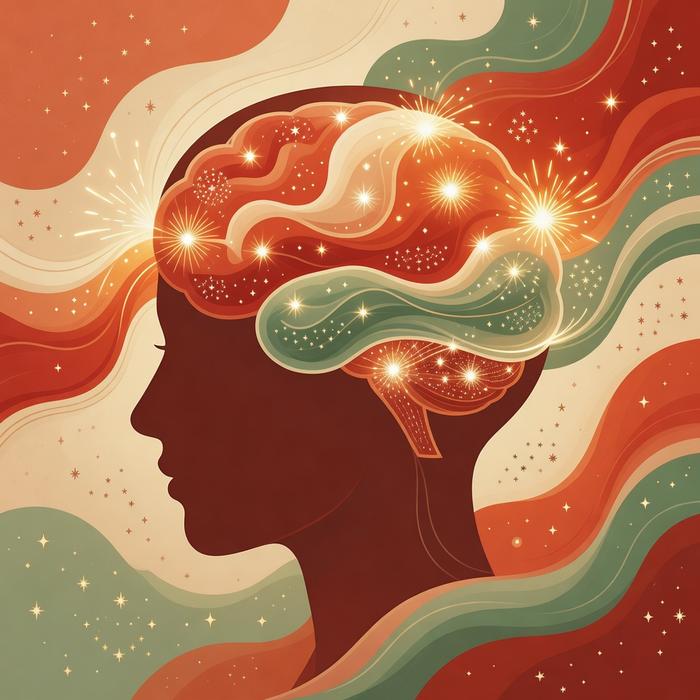
“We don't forget because we don't care. Our working memory blackboard is just wiped clean.”
Many conflicts in neurodivergent households come from misreading executive breakdowns. An empty dishwasher left untouched is rarely an act of disrespect. It may be a dopamine block, an anxious wall, or simple working-memory fade. When we pivot from accusing to accommodating, relationships have room to heal.
ADHD myth vs reality
Many frustrations in neurodivergent relationships stem from false beliefs. Select a common misconception to unpack what is happening inside the mind.
“Everyone has a little ADHD these days because of social media and smartphones.”
While screen time can shorten everyone's attention spans temporarily, ADHD is a lifelong neurodevelopmental condition present from birth. It affects brain structure, neural pathways, and neurotransmitter baseline functions. It is a profound, daily executive function breakdown, not just being easily distracted by notifications.
Do not compare occasional distraction to a chronic neurodevelopmental disability. Frame it as: 'I get distracted sometimes, but I don't experience a constant executive filter failure across every area of my life.'
Meet Milo and Ally, one chapter at a time.
Ally has ADHD. Milo is her patient, supportive guide. Their back-and-forth mirrors the everyday parent-child moments that can leave everyone tired, confused, and ready for a different next step.
Leave your email for six warm story-led notes about a missing backpack, a stretched bedtime, and the small breakthroughs that make room for connection. Then chat with Milo and Ally on the site whenever you need a place to start.
Ally
A quick, creative mind learning what helps.
Milo
A steady parenting guide for the next small step.
Ally
“I put my backpack somewhere safe.”
Milo
“Let’s retrace the last place you remember holding it.”
Milo and Ally share one supportive conversation in the lower-right corner of the site.
Ask our AI ADHD empathy educator
Bring a specific, repetitive dynamic from your marriage, family, or workplace. The empathy educator translates ADHD behaviors into clear terms and gives you a shame-free script.
No question asked yet
Type a custom question or select a preloaded topic to begin.